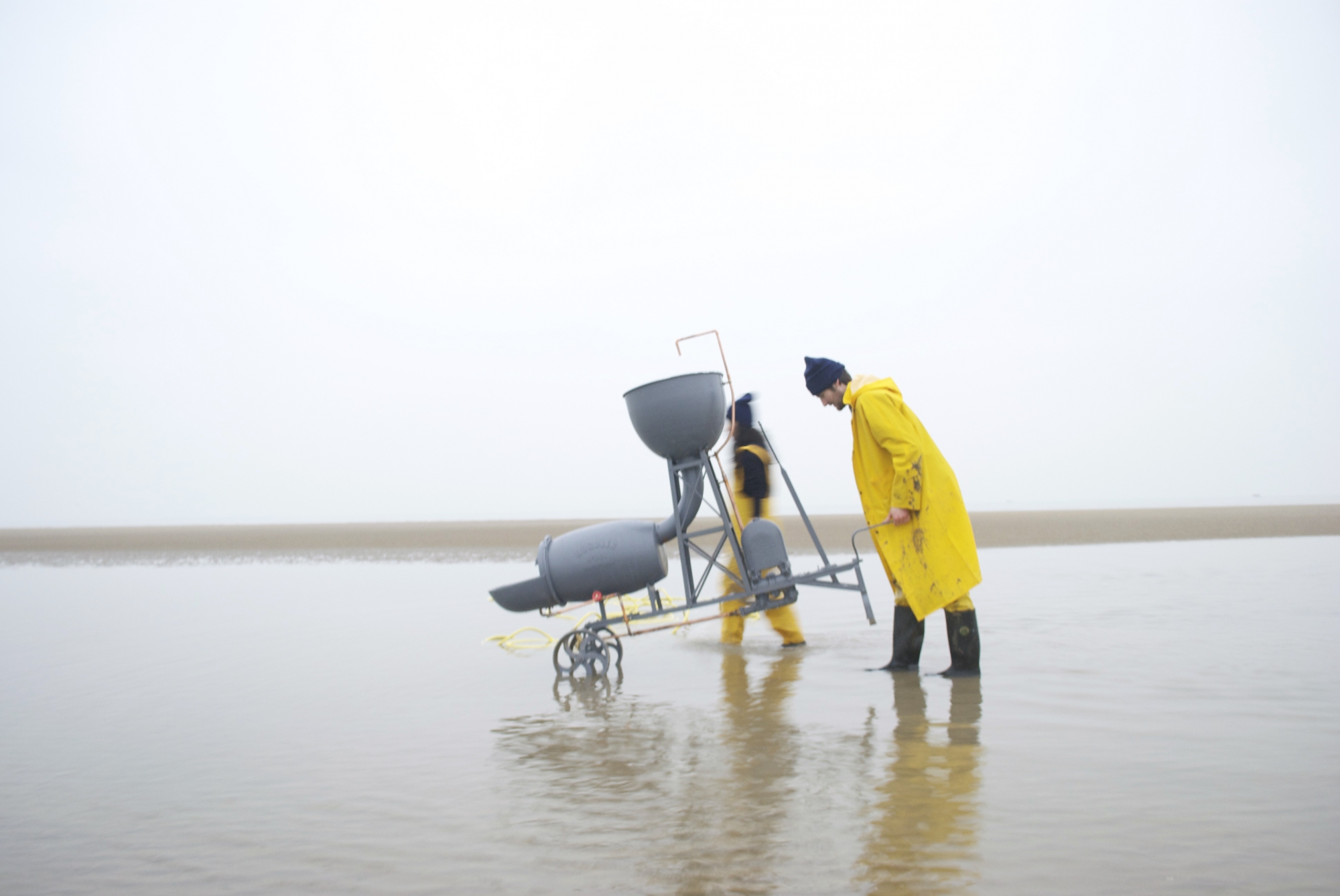
As I mentioned briefly in the previous post the idea of recovering materials created by man from the sea and doing something creative with those materials is something I find very appealing. The sea chair created by studio swine should be created at a larger scale and is something that may be integrated into my Design Thesis. The images below were produced by Studio Swine and show the materials and furnace used to create the chair. The severity of damage caused by plastic in the sea is continuously increasing with the current figure of 46,000 pieces of plastic per square kilometer set to double in the next 10 years.


2 comments:
I left a comment on this but I put it on the next blog. Check it out by reading comments on Heligoland and Absence.
"Plastic has been a huge problem at sea for a long time but the situation of plastic being dumped at sea has improved significantly in the last decade. Merchant ships and Ports must have a waste management system in place for garbage, food waste, sewage and waste oil etc., They are obliged by international law to account for the disposal of such waste through licensed waste disposal companies. If a ship or port can not prove how they disposed of their waste they are liable for severe penalties. This legislation and the active enforcement of same has significantly improved the situation around our shores. The problem is getting worse offshore and is an environmental disaster on a global scale affecting all our Oceans and Marine Life.
Large oil spills are an environmental disaster on a huge scale. Plastics, derived from oil, continue to be a major problem even after the improvements discussed above. All is not perfect because ships, fishing boats and ports continue to dump or loose garbage and plastics.
An incident of dumping a small amount of garbage and plastic waste is not an environmental disaster in itself. Accumulations of small amounts of waste are the beginnings of this environmental problem. The gulls and fish will get trapped in or consume some of these materials and the plastics will disburse only to eventually gather in mid ocean forming great masses of plastic. Plastics dumped in the English Channel for example will drift East and West. Some of it will be blown onto the shore causing unsightly pollution and more of it will be carried out to the Atlantic Ocean where it gathers and drifts around for many years causing environmental damage These islands of plastic are an environmental disaster. The plastic will erode and break down after many years forming micro beads of plastic that continue to destroy the wildlife of the oceans and shore lines of the globe.
Diapers and plastic bags sink to the Ocean floor and smother huge areas of seabed killing all sorts of Marine Life.
Discarded or lost fishing gear, such as mono-filament nets and lobster pots, continue to fish before rolling up into a rope of plastic which will eventually break down into micro beads of plastic. Waste Plastic simply does not go away."
You tube: Waste Plastic at Sea, Captain Charles Moore on the Seas of Plastic."
Post a Comment